Why is a medical aesthetic procedure a medical procedure?
Injections such as fillers, botulinum toxin (commonly called “botox”), PRP and mesotherapy, as well as some laser and radiofrequency treatments, are interventions into or under the skin using medicines or medical devices. Even if these procedures are short, they require medical knowledge of facial anatomy, blood vessels and nerves, drug interactions and possible complications.
Although rare, problems such as blockage of a blood vessel, infection, burns, scarring or a severe allergic reaction can develop. In such a situation, it is important that the person who performed the procedure is a doctor and that the setting is a healthcare facility, so that a diagnosis can be made and treatment given quickly.
The general principle: a doctor and a licensed healthcare facility
International dermatology and health authorities recommend that aesthetic procedures involving injections be carried out under the responsibility of a licensed doctor and in a medical setting. In Turkey, these matters are regulated by the Ministry of Health; the procedure must be performed by a doctor in a licensed healthcare facility.
Regulations can change over time. This article describes the general principle, not a specific regulatory provision. If you would like to know the current rule for a specific procedure, you can ask the doctor or facility that will perform it.
Who does what? Differences between professional groups
| Profession | Training | Role in medical aesthetics |
|---|---|---|
| Dermatologist (skin and venereal diseases) | Specialist training in diseases of the skin, hair and nails after medical school | Diagnosis and treatment of skin diseases; injections, laser and other medical aesthetic procedures |
| Plastic, reconstructive and aesthetic surgeon | Surgical specialist training after medical school | Cosmetic and reconstructive operations; injections and other medical aesthetic procedures |
| Other doctors | Medical school graduate; may have received additional training in medical aesthetics | Which treatments they may perform is regulated by the Ministry of Health |
| Beautician / beauty therapist | Vocational training in beauty and skincare | Non-medical cosmetic treatments such as facial cleansing, skincare and make-up; does not give injections |
Whatever kind of doctor it is, what matters is that the doctor performing the procedure is trained and experienced in that procedure and can manage a complication.
What matters is that the doctor performing the treatment is trained in it and able to manage a complication. Do not hesitate to ask who will treat you, along with their name and title; that is your right.
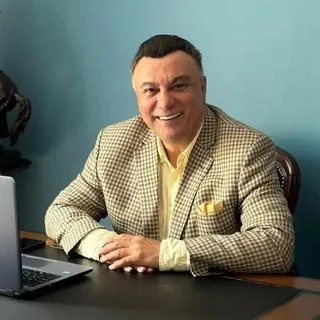
 Dr. Hamza Gemici
Medical Director, DoktorClub · Aesthetic Medicine Physician
What is the beautician's role, and what should they not do?
Beauticians and beauty therapists play an important role in non-medical cosmetic services such as facial cleansing, moisturising care, some superficial care treatments and make-up. These services can support the general appearance and care of the skin.
However, injections such as fillers, botulinum toxin, PRP and mesotherapy, and procedures requiring medical devices, are not within a beautician's remit. It is advisable to avoid injections offered in beauty salons, hairdressers or at home.
How can you check the practitioner?
As a patient, you may want to find out who will perform the procedure and verify this. The following steps can guide you:
- Ask for the full name and title of the person who will perform the procedure; ask clearly, “Are you a doctor or a specialist, and in which field?”
- See that doctor before the procedure; if one person is planned to do the examination and another the procedure, find this out.
- Ask whether the facility is a licensed healthcare facility.
- Ask about the doctor's training and experience with this procedure.
- If you are unsure, you can consult the provincial health directorate or the relevant medical chamber.
- Ask to see the box, label and lot number of the product to be used.
Warning signs to look out for
- The practitioner avoids giving their name or title
- The injection is given outside a healthcare facility, such as at home, a hairdresser, a beauty salon or a hotel room
- Appointments are given via social media messages and the procedure is done without an examination
- The product box and label are not shown
- No written consent is obtained and the risks are not explained
- Phrases such as “there is no risk at all” or “suitable for everyone”, or pressure on you to decide
Certificates and experience: what to look for
Title and authorisation are the basic requirement for the procedure to be carried out within a legal and safe framework; however, they are not enough on their own. It is also useful to ask how often the doctor performs that procedure, how they manage possible complications and what kind of follow-up they plan for you.
The number of social media followers, attractive images or before-and-after photos do not show a practitioner's competence. Such images may be selected or edited.
Get help without delay if you notice these symptoms after any aesthetic injection
- Visual disturbance, difficulty speaking or weakness in an arm or leg: call 112 (or your local emergency number) immediately
- Shortness of breath, rapidly increasing swelling of the face or lips: call 112 immediately
- Whitening, mottled or purplish colour change of the skin: call the doctor who performed the procedure immediately
- Steadily increasing severe pain: call the doctor who performed the procedure immediately
- Fever, increasing redness and discharge: call the doctor who performed the procedure immediately
If you cannot reach your doctor, go to the nearest emergency department. Unless your doctor advises it, do not massage the area or apply heat or ice.
This article is for general information only. When choosing the right procedure and practitioner for you, an examination and a doctor's assessment are essential.
Questions to ask your physician
- Who will perform the procedure; what is your name, title and specialty?
- How often do you perform this procedure?
- Is your facility a licensed healthcare facility?
- How do you intervene if a complication develops?
- Who will do the follow-up after the procedure?
- Can I see the details and lot number of the product to be used?
Frequently asked questions
Can a beautician give fillers or botulinum toxin?
No. Injections such as fillers and botulinum toxin are medical procedures; beauticians carry out non-medical cosmetic care treatments.
Can any doctor perform any aesthetic procedure?
In Turkey, these matters are regulated by the Ministry of Health. It is also important that the doctor is trained and experienced in that procedure; do not hesitate to ask the doctor who will perform it about this.
How should I choose between a dermatologist and a plastic surgeon?
Both specialties perform medical aesthetic procedures. The choice depends on the procedure you are considering, the doctor's experience with it and the assessment at the examination. Procedures requiring surgery are within the field of plastic surgeons.
How can I tell whether the doctor really is a doctor?
You can ask for their name, title and specialty. If you are unsure, you can consult the relevant medical chamber or the provincial health directorate.
Is laser hair removal in a beauty salon also a medical procedure?
Laser hair removal is a treatment performed with a medical device that can lead to risks such as burns and pigmentation. In Turkey, who may perform it and where are regulated by the Ministry of Health. Before treatment, ask who will perform it, whether there is a doctor's supervision and whom to contact in case of a side effect.
Sources
- Who should provide your cosmetic treatment? — American Academy of Dermatology (AAD)
- Dermal Filler Do's and Don'ts for Wrinkles, Lips and More — U.S. Food and Drug Administration (FDA), 2023
Medical Aesthetics Expert Board
This article has been reviewed by the DoktorClub Medical Aesthetics Expert Board.