Scientific Developments
What is survodutide? SYNCHRONIZE-2 weight loss, HbA1c and adverse events
Survodutide is an investigational drug and is not approved (Boehringer Ingelheim, 1 October 2026). SYNCHRONIZE-2 found greater weight loss and HbA1c improvement, with more gastrointestinal events.
Translated from the Turkish original by Doktorclub. The Turkish version is the reference text; this English translation has not been separately reviewed by a physician. Read the Turkish original.
Survodutide is an investigational drug targeting both glucagon and GLP-1 receptors. In SYNCHRONIZE-2, adults with type 2 diabetes and overweight or obesity had greater weight loss and improvement in a blood glucose marker than with placebo, but gastrointestinal events were more frequent (NEJM, 2026). The drug is not yet approved (Boehringer Ingelheim, 2026).
Who participated in SYNCHRONIZE-2, and how was it conducted?
The multinational, randomized, double-blind phase 3 trial published in NEJM in 2026 included 752 adults. Participants had type 2 diabetes and a body-mass index (BMI) of at least 27 kg/m²; mean age was 55.7 years and mean BMI 36.5. Once-weekly subcutaneous survodutide was given to 250 participants at 3.6 mg and 251 at 6.0 mg; 251 received placebo. The trial is registered at ClinicalTrials.gov, NCT06066528.
Random allocation aims to create comparable groups; double-blinding means participants and researchers do not know the assigned treatment. A placebo comparison helps assess how the observed change relates to the investigational drug.
How much weight was lost?
The NEJM 2026 abstract reported mean weight changes at week 76 of −8.2% with the lower dose, −9.8% with the higher dose and −3.9% with placebo. The proportions losing at least 5% of their starting weight were 57.6%, 64.5% and 35.1%, respectively. Alongside average change, this threshold shows how many participants reached a specified weight reduction.
These are results from the “treatment-regimen” analysis described in NEJM 2026: treatment discontinuation, interruption or use of other antiobesity therapies is not excluded. Analyses assuming uninterrupted treatment may yield different percentages. The drug and placebo figures here come from the same analysis.
How did HbA1c and blood glucose control change?
HbA1c fell more in the survodutide groups than with placebo (NEJM, 2026). This marker, used to monitor blood glucose control, started at 7.4%; changes were −0.9 percentage points with the lower dose, −0.8 with the higher dose and −0.2 with placebo. “Percentage points” directly describe the change in HbA1c and are a different measure from percentage weight change.
Which adverse events were reported?
Gastrointestinal adverse events were more frequent with survodutide (NEJM, 2026). They occurred in 72.8% with the lower dose, 77.7% with the higher dose and 38.6% with placebo; they were generally mild to moderate and transient. Greater weight loss needs to be considered alongside these findings, which may affect treatment continuation.
What are the implications for clinical practice and the limitations?
Editorial assessment: The findings support assessing weight change, blood glucose control and tolerability together. A placebo comparison does not demonstrate superiority over another active drug; changes in weight or HbA1c alone do not establish fewer heart attacks or longer survival.
The original publication’s complete abstract was accessible, but its full text and supplements were not. Detailed serious-event data and reasons for discontinuation are therefore not quantified here. Related reading includes nutrition in type 2 diabetes and adverse effects of GLP-1 drugs (both in Turkish).
What are the answers to frequently asked questions?
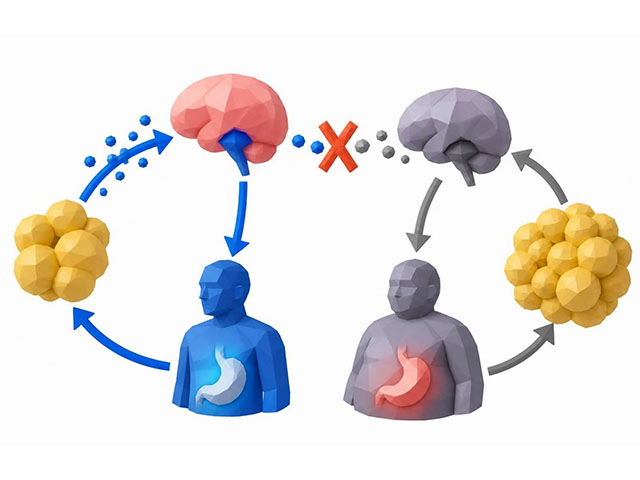
How does survodutide work? Survodutide is a dual agonist activating glucagon and GLP-1 receptors (NEJM, 2026). “Dual” means that the same molecule targets two different receptors.
When will survodutide become available? A definite availability date for survodutide is unknown. Boehringer Ingelheim’s statement of 1 October 2026 says it is not yet approved; the trial result provides no availability timetable.
Are the trial doses a recommendation for use? The trial doses describe the research design; they are not personal treatment recommendations. Changes to existing treatment should be based on an assessment with the individual’s physician.
Who funded the research?
The NEJM 2026 funding statement identifies Boehringer Ingelheim as the study funder.
Which sources were used?
- NEJM / SYNCHRONIZE-2, 2026; the original publication’s complete abstract. DOI: 10.1056/NEJMoa2607219. Accessed: 15 October 2026.
- ClinicalTrials.gov, NCT06066528 trial record. Registry link checked: 15 October 2026.
- Boehringer Ingelheim, 1 October 2026 (distributed by GlobeNewswire). Used only for approval status. Accessed: 15 October 2026.
Last updated: 15 October 2026 · Doktorclub Sağlık Editörleri
This English translation has not been separately reviewed by a physician.
Frequently asked questions
How does survodutide work?
Survodutide is a dual agonist activating glucagon and GLP-1 receptors (NEJM, 2026). “Dual” means that the same molecule targets two different receptors.
When will survodutide become available?
A definite availability date for survodutide is unknown. Boehringer Ingelheim’s statement of 1 October 2026 says it is not yet approved; the trial result provides no availability timetable.
Are the trial doses a recommendation for use?
The trial doses describe the research design; they are not personal treatment recommendations. Changes to existing treatment should be based on an assessment with the individual’s physician.
Source: NEJM / SYNCHRONIZE-2, 2026