Doktorclub
Health News
Health guides, symptom explainers and medical news from Doktorclub, Türkiye’s largest physician platform — clear for patients, reliable for clinicians.
These articles are English translations of Doktorclub’s Turkish originals. The Turkish version is the reference text; the English translation has not been separately reviewed by a physician. More news is available in Turkish at doktorclub.com/haberler.
NHS-Galleri: Does a multicancer blood test reduce late-stage diagnoses?
NHS-Galleri showed no significant reduction on its primary endpoint. Stage IV rates were lower, but uncertainty and the need for longer follow-up remain.
What is survodutide? SYNCHRONIZE-2 weight loss, HbA1c and adverse events
Survodutide is an investigational drug and is not approved (Boehringer Ingelheim, 1 October 2026). SYNCHRONIZE-2 found greater weight loss and HbA1c improvement, with more gastrointestinal events.

New Research Reveals the Vital Role of the Innate Immune System in Pancreatic Cancer
A new scientific study in cancer biology and immunology has revealed that, in pancreatic ductal adenocarcinoma (PDAC), one of the deadliest types of cancer, the body's first line of defense, the "innate immune…
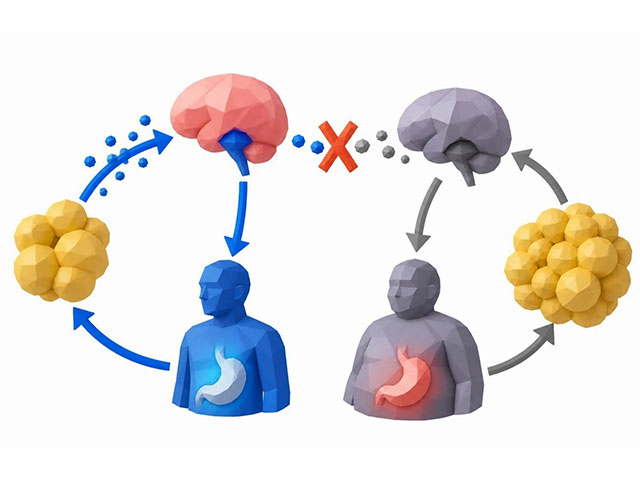
Body Fat Distribution Found to Influence Hunger Hormones More Than Daily Diet
A new scientific study in the field of metabolism and nutritional biology has shown that the hormones governing feelings of hunger and fullness are directly related not only to what is eaten each day but also to where fat is stored in the body…
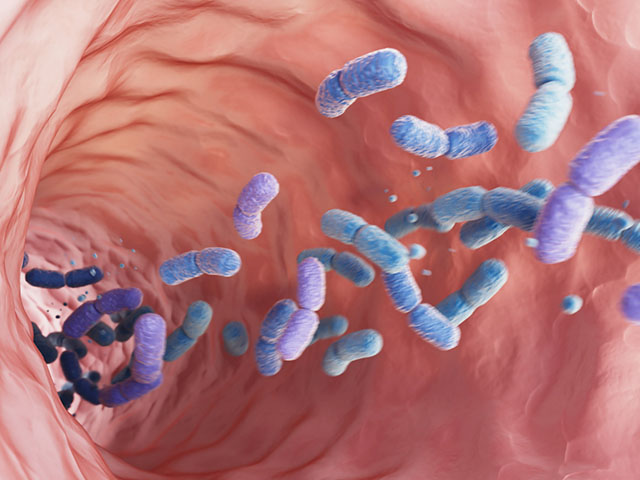
Certain Gut Bacteria Linked to Better Clinical Outcomes in Heart Failure Patients
A new large-scale study in cardiology and microbiome science has revealed a strong link between the composition of the gut microbiota and the clinical course of heart failure patients…

Ideal Sleep Duration Varies From Person to Person
A new scientific study in neurology and sleep medicine has shown that widely accepted sleep duration recommendations do not apply to everyone and that individual biological needs must be taken into account…
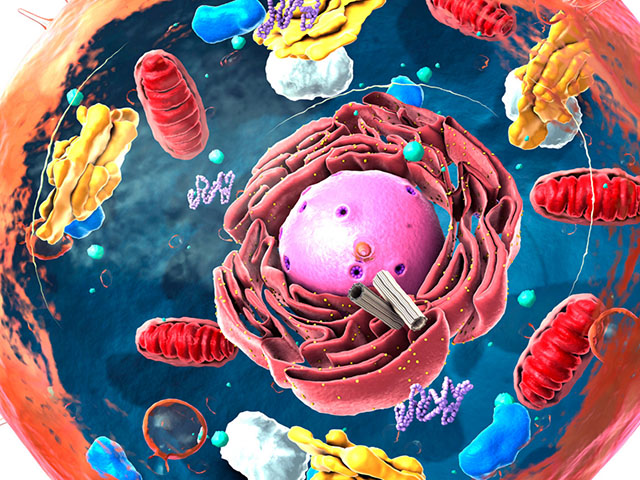
Declining Autophagy Found to Block the Clearance of Senescent Cells
A new scientific study in the field of cellular ageing and longevity has revealed that the age-related decline in intracellular maintenance mechanisms impairs the immune system's ability to clear aged (senescent) cells…

Breakthrough Findings in a Study of Biomarkers That Predict Mortality Risk
A new large-scale study in the field of longevity and preventive medicine has mapped specific biomarkers that can predict individuals' overall health status and mortality (death) risk years in advance…

Monkeypox (Mpox) Symptoms: Rash, Transmission and Vaccine
Mpox presents with fever, swollen lymph nodes and a rash that progresses in stages. It spreads through close skin contact; most people recover on their own in 2–4 weeks.

Is a Water Diet Harmful? The Risks of Water Fasting
A water diet can be harmful. Most of the weight lost is muscle and water, and it returns quickly. It carries risks of electrolyte disturbance, gallstones and gout.

What Should People with Diabetes Eat? Nutrition in Type 2 Diabetes
In type 2 diabetes, half the plate should be vegetables, a quarter protein and a quarter whole grains; the drink should be water. People who use insulin should not skip meals.

What Are the Symptoms of Flu, and How Does It Go Away? An Influenza Guide
Flu starts with sudden fever, muscle aches and a dry cough, and usually goes away within a week. Antibiotics do not help; if you are in a risk group, see a doctor within the first 48 hours.

How Do You Get Rid of a Persistent Cough? Causes and Warning Signs
A cough usually clears up on its own within 3–4 weeks. For a cough lasting more than 8 weeks, the cause is investigated; coughing up blood or shortness of breath should not be left to wait.

How Do Nausea and Vomiting Go Away? What Helps at Home?
The most important step with vomiting is taking fluids in small sips and, if needed, ORS. With a stomach virus, vomiting usually passes within 1–2 days; bloody or green vomit is an emergency.

What Helps Headaches and Migraine at Home?
For headaches, a dark room, fluids, regular sleep and the right pain reliever help. Taking pain relievers on 10–15 or more days a month can make the pain worse.
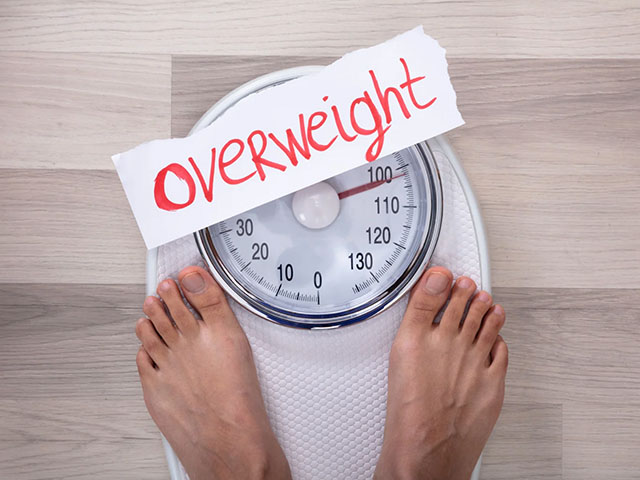
Under a new definition of obesity, half of overweight US adults have "clinical obesity"
In 2025, the Lancet Diabetes & Endocrinology Commission proposed defining obesity not by body mass index (BMI) alone but by a measure that reflects body fat, such as waist circumference, together with related organ dysfunction.…

First Successful Results From a Personalized Treatment Designed for a Patient With a Rare Genetic Form of ALS
In a groundbreaking new clinical study in neurology and personalized medicine, an experimental gene-targeting treatment designed specifically for a single patient with a rare genetic form of amyotrophic lateral sclerosis (ALS)…

Most Herbal Toothpastes Fall Short on Fluoride, the Key Ingredient in Fighting Tooth Decay
A new scientific study in oral and dental health has found that many toothpastes sold on the consumer market under "natural" and "herbal" labels fall short on fluoride, the most effective ingredient for preventing tooth decay…
Multi-cancer blood test detected 17 cancer types in PATHFINDER 2
The Galleri multi-cancer early detection (MCED) blood test developed by GRAIL was evaluated in about 32,000 people over age 50 in the US and Canada with no suspicion of cancer. Cancer was confirmed in about 60% of those who tested positive…

2026 Nobel Prize in Medicine goes to optogenetics: Deisseroth, Hegemann and Nagel
The 2026 Nobel Prize in Physiology or Medicine was announced on October 5, 2026. The prize was awarded jointly to three scientists: Karl Deisseroth, Peter Hegemann and Georg Nagel. The citation was for discoveries concerning light-gated ion channels and optogenetics…

Supplement–Drug Interactions: Thyroid Medicine, Blood Thinners
Leave at least 4 hours between thyroid medicine and calcium or iron. Vitamin K affects warfarin, and St. John's wort weakens many medicines.
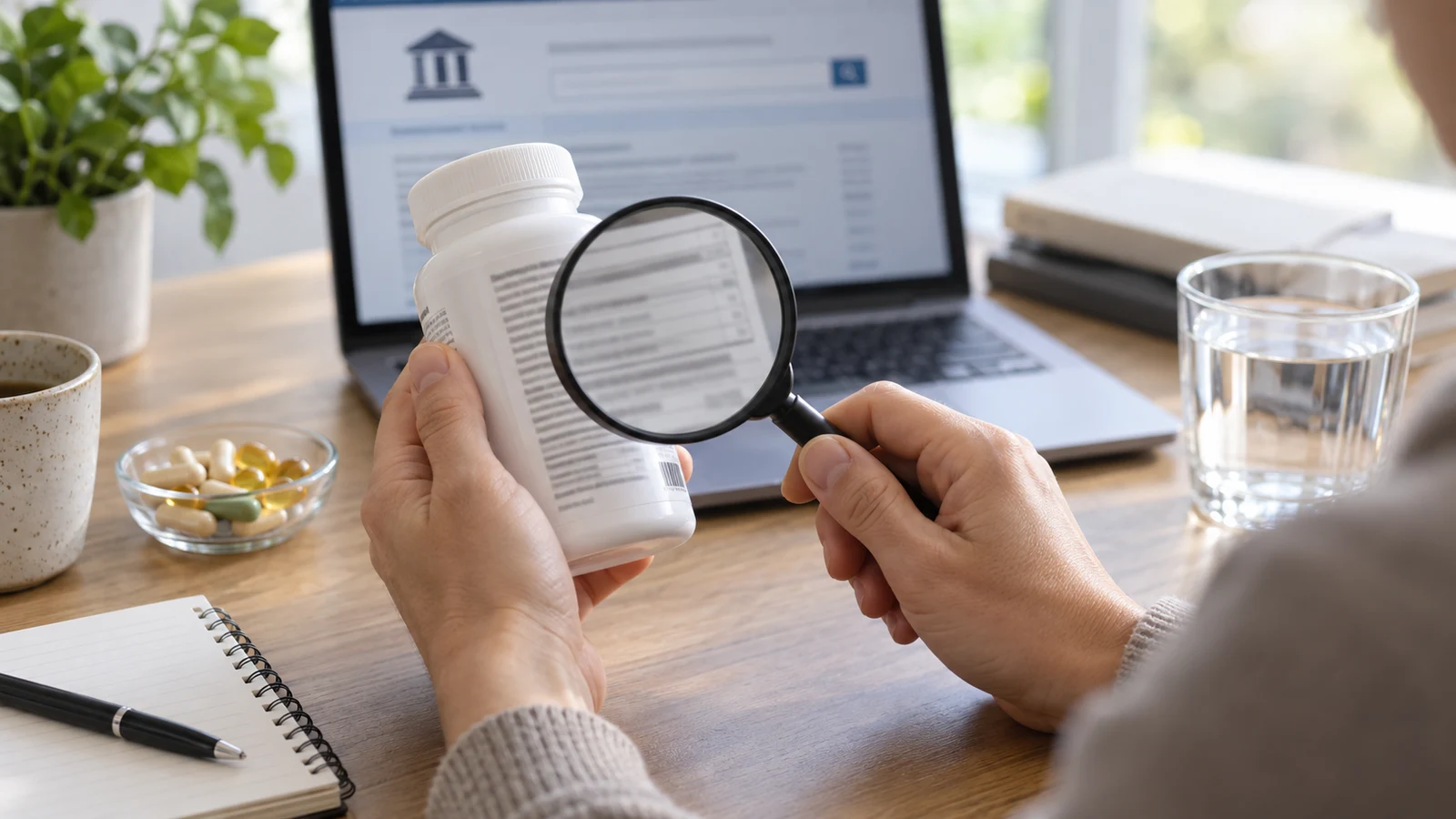
How to Read a Supplement Label: Checking the Approval Number
On a food supplement label, look for the daily serving, the mandatory warnings, and Ministry approval. The approval number is checked in GGBS; disease claims are prohibited.

Low Potassium (Hypokalemia): Causes, Symptoms and Blood Test
Low potassium (hypokalemia) is a blood level below 3.5 mmol/L; it is mostly due not to diet but to losses from diuretics, vomiting or diarrhea.

Selenium and Hashimoto's: Do Supplements Work?
Selenium supplements may lower anti-TPO in Hashimoto's, but they have not been shown to change the course of the disease. The EFSA upper limit is 255 µg a day.

Iodine Deficiency and Iodized Salt: Iodine Needs in Pregnancy
Iodization of table salt is mandatory in Türkiye. The adult iodine requirement is 150 µg per day and rises in pregnancy. Too much is harmful, especially for people with thyroid disease.

Does Biotin Interfere with Lab Test Results? TSH and Troponin
High-dose biotin (B7) can make TSH appear low, free T4 appear high and troponin falsely low in some lab tests. Tell the laboratory before giving blood.

Vitamin B6 Excess: Neuropathy Risk and Upper Limit
According to EFSA 2023, the upper limit for B6 in adults is 12 mg per day. Long-term high-dose B6 can lead to neuropathy causing numbness in the hands and feet.

Vitamin K and Warfarin: Consistent Intake, K2 and Bone Health
If you take warfarin, do not avoid green vegetables; get a similar amount of vitamin K every day. A sudden increase or decrease makes INR swing.

Vitamin E Supplements: Who Needs Them, and What Are the Risks?
Vitamin E deficiency is rare in healthy people. USPSTF 2022 recommends against vitamin E supplements for prevention; high doses can increase the risk of bleeding.

Vitamin D Toxicity Symptoms: Too Much Vitamin D and Harmful Doses
Too much vitamin D raises calcium: nausea, vomiting, extreme thirst, passing a lot of urine. If a child has swallowed an ampoule or a bottleful of drops, call the poison helpline (114 in Türkiye) without waiting for symptoms.

Vitamin A Deficiency and Excess: Retinol and Beta-Carotene
Vitamin A deficiency causes night blindness; excess can harm the liver, the bones and, in pregnancy, the baby. The difference between retinol and beta-carotene, and upper limits.

Protein in the Urine (Proteinuria): When Does It Matter?
Protein in the urine is not always kidney disease. Fever, exercise, and infection raise it temporarily; persistence is confirmed with ACR in a morning urine sample.

What Do Leukocytes in the Urine Mean? Is It Always an Infection?
Leukocytes in the urine are not always an infection. Contamination, stones and sexually transmitted infections can also cause them; if there are no symptoms, antibiotics are usually not needed.
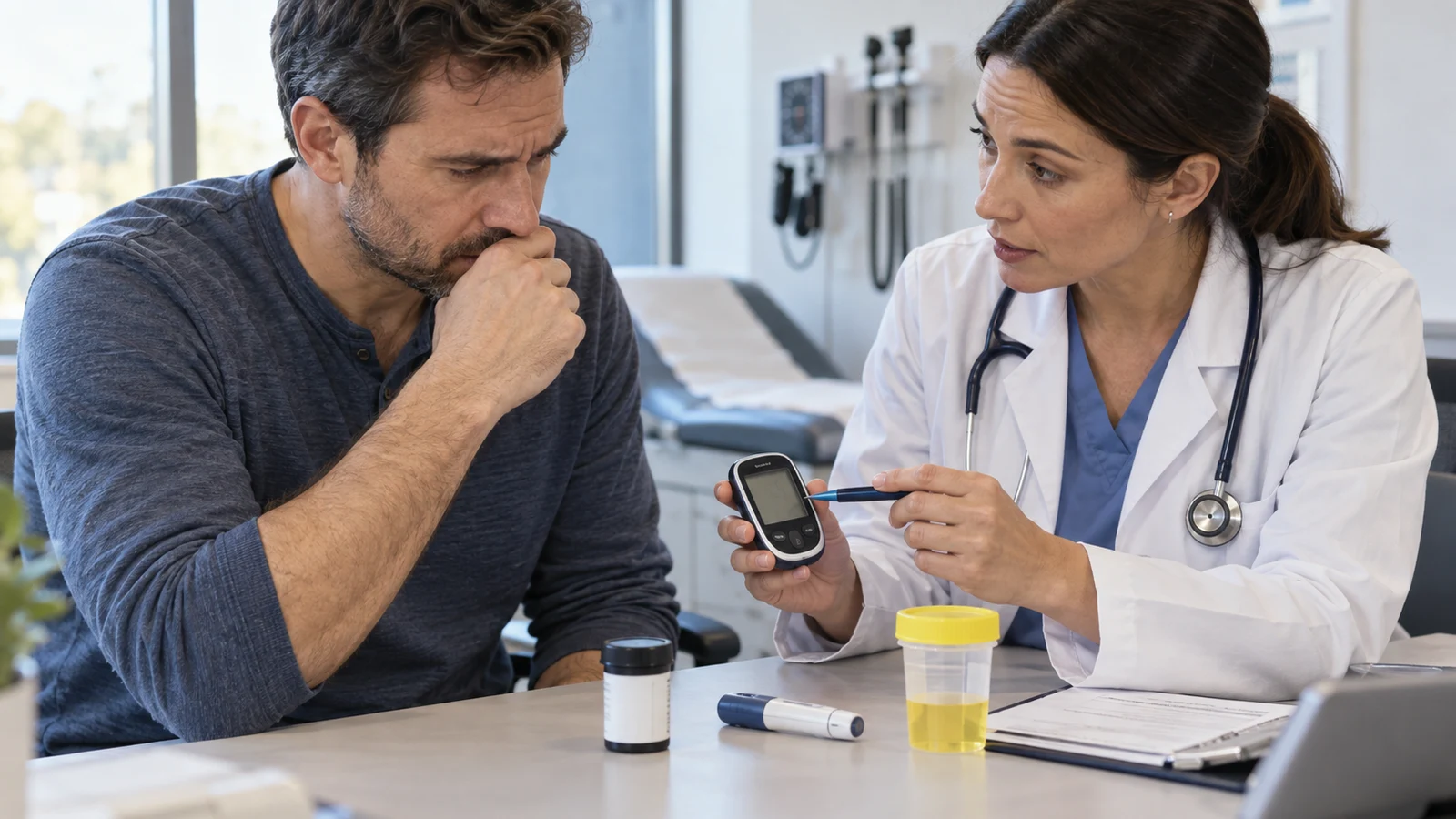
Ketones Positive in Urine: Fasting or a Diabetes Emergency?
Ketones in urine are common during fasting, religious fasting, a keto diet or vomiting. In a person with diabetes, together with high blood sugar, they can be a warning sign of ketoacidosis; this is an emergency.

Growth in a Urine Culture: Colony Count and Antibiogram
Growth in a urine culture does not always require treatment. The colony count, mixed growth, and symptoms are read together; S, I, R in the antibiogram are explained.

Stool Parasite and Ameba Test: How to Give a Sample and How to Read the Result
A stool parasite test requires several samples on different days. An ameba seen under the microscope cannot be told apart from a harmless species; the distinction is made with antigen testing or PCR.

Elevated CA 19-9: Pancreatic or Stomach Cancer?
Elevated CA 19-9 does not mean cancer on its own. Bile duct obstruction, pancreatitis and liver diseases also raise it; it is not a screening test.

Low Free T4 and T3: What Does It Mean If fT4 or fT3 Is Low?
If free T4 is low and TSH is high, it is usually hypothyroidism; if TSH is normal or low, a pituitary cause is sought. Low fT3 alone is often due to illness.

High Parathyroid Hormone (PTH): Causes and Bone Health
A high PTH is read together with calcium. If calcium is high, primary hyperparathyroidism is considered; if normal or low, vitamin D deficiency or kidney disease.

High Morning Cortisol: Stress or Cushing's?
A single high morning cortisol does not diagnose Cushing's. Stress, pregnancy, estrogen-containing medicines and obesity can raise the value; screening tests are different.

Does a High CEA Mean Cancer? Normal Values and Causes
A high CEA does not on its own mean cancer. Smoking, liver disease and inflammation can raise the value; CEA is not a screening test but a follow-up test.

Elevated CA 15-3: It Is Not a Breast Cancer Screening Test
CA 15-3 is not a breast cancer screening test. In Türkiye, screening is done with mammography every 2 years at ages 40–69; CA 15-3 is used to follow up patients already diagnosed.

High CA 125: Ovarian Cyst or Cancer?
An elevated CA 125 is most often due to benign causes such as menstruation, endometriosis, fibroids or inflammation. It is not a screening test; it is interpreted with age and ultrasound.

High Prolactin: Does It Prevent Pregnancy, and Why Is It Retested?
High prolactin can disrupt ovulation and make pregnancy harder, but it is usually treatable. Medicines, pregnancy, thyroid disease and macroprolactin are ruled out first.
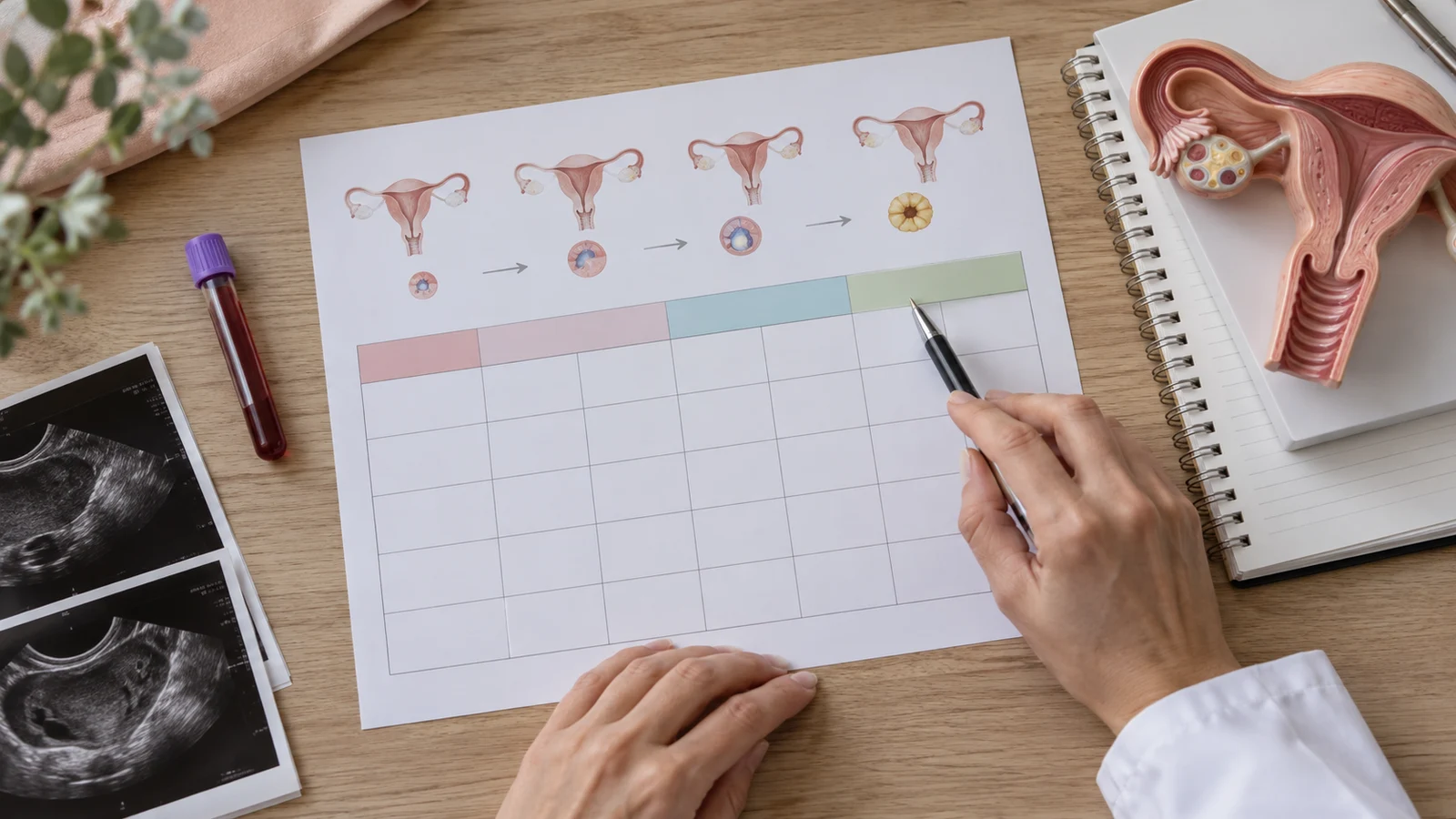
Progesterone Levels: What Do They Tell You in Pregnancy and Ovulation?
There is no single progesterone value in pregnancy that applies to everyone. A single measurement does not show whether a pregnancy is healthy; for ovulation, a value above 3 ng/mL is meaningful.

Ovulation Tests and LH: When to Test and How to Read the Result
An ovulation test detects the LH surge in urine; ovulation usually occurs within the next 2 days. The right days, causes of false positives and next steps.

FSH and LH Levels: How to Read Them by Cycle Day
FSH and LH change with the phase of the menstrual cycle. A single high FSH does not mean early menopause; the diagnosis is made from menstrual history and, if needed, a repeat measurement.

Estradiol (E2) Values: High Levels and Ranges by Cycle Phase
Estradiol (E2) varies greatly during the menstrual cycle, in pregnancy and during IVF treatment. Learn the difference between pg/mL and pmol/L and what high and low values mean.

Beta HCG Levels: Negative, Positive and the 48-Hour Rise
In most laboratories, a beta HCG of 5 mIU/mL or below is negative. A single value does not show the week of pregnancy; the 48-hour change and ultrasound are decisive.
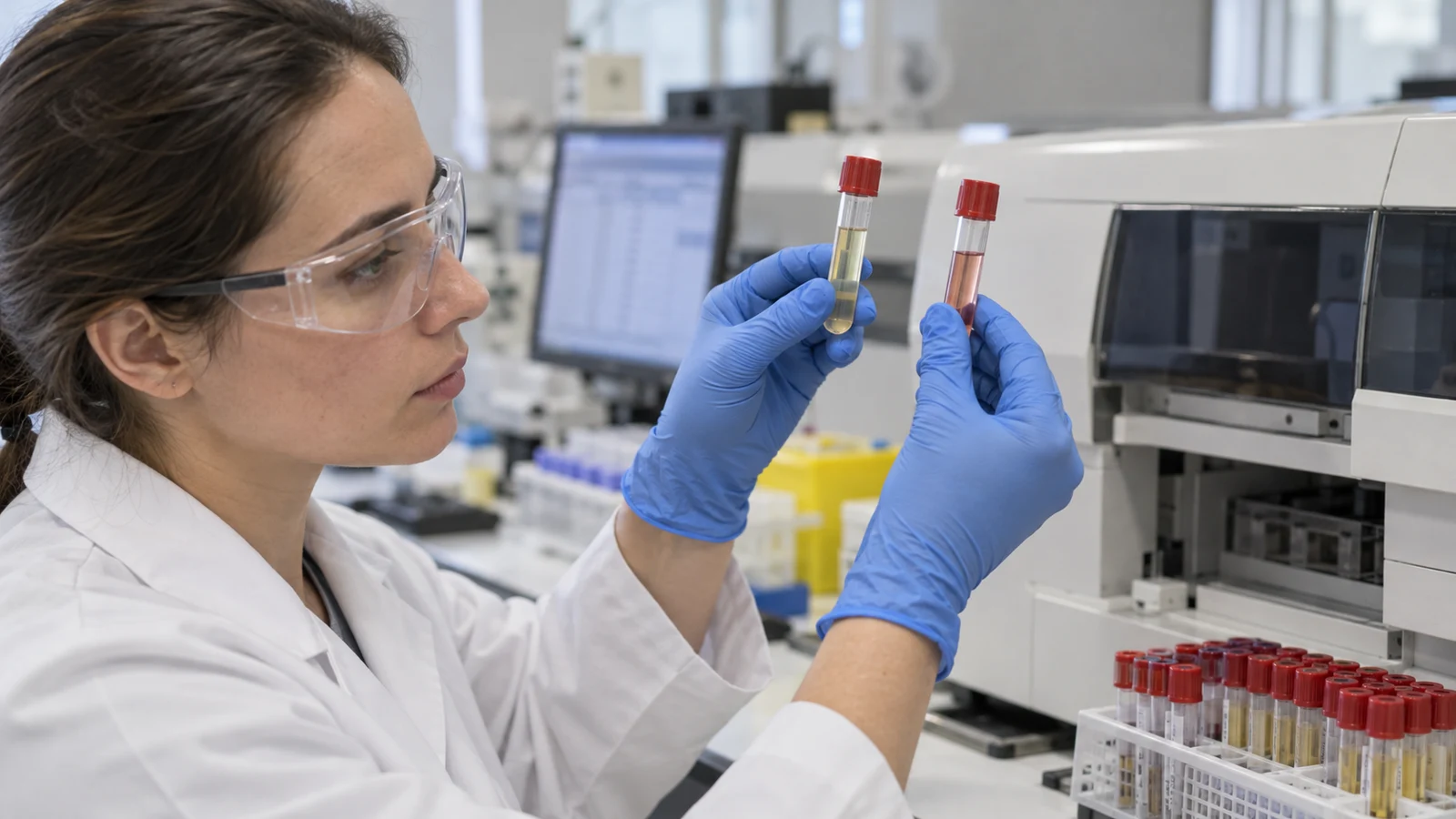
What Does a High LDH Mean? Is It Tissue Damage?
A high LDH is not specific, and hemolysis in the tube raises it artificially. Causes such as muscle, liver, and anemia, and the next tests, are covered in this guide.

What Should INR and PT Be? For People Taking Warfarin
In people not taking blood thinners, INR is about 0.8–1.2; for most people taking warfarin, the target is 2.0–3.0. How are PT and INR read, and when is it an emergency?

Low Folate (B9): Symptoms and Test Results
Low folate can cause fatigue and pallor when it leads to anemia. How to read the test value, why B12 is also checked, and when to see a doctor.

Corrected Calcium Calculation: Low and High Calcium (Ca) Levels
Corrected Ca = measured Ca + 0.8 × (4.0 − albumin in g/dL). If albumin is 4 or above, no correction is made. A total calcium of 8.5–10.5 mg/dL is normal (TEMD).

How to Read Iron, TIBC and Transferrin Saturation Results
High TIBC with low saturation points to iron deficiency. Saturation = serum iron ÷ TIBC × 100; ferritin is still the main test for diagnosis.

Low and High Sodium (Na): When Is It an Emergency?
Sodium below 135 mmol/L is called low sodium (hyponatremia) and above 145 high sodium (hypernatremia); confusion or a seizure is an emergency.
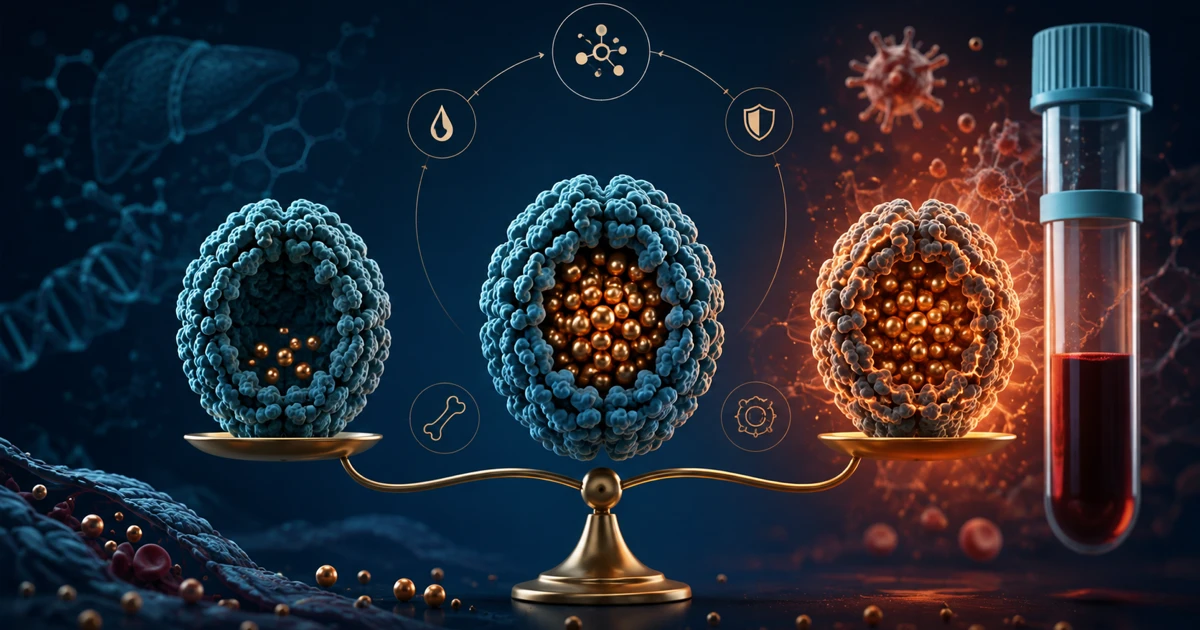
Ferritin Levels: What 15, 30 and 50 Mean, Low and High Ferritin
If ferritin is below 15, the store is empty; 15–30 is deficient in adults according to ASH 2026; 30–50 is sufficient for most people if there is no anemia. A high value is most often not iron excess.
B12 Levels: The 180, 200 and 350 Cut-offs and Deficiency Symptoms
B12 below 180 pg/mL means deficiency; 180–350 is indeterminate (NICE 2024); the Turkish Society of Hematology (THD) takes below 200 as the lower limit. Read which symptoms mean you should seek care without waiting.
Vitamin D Deficiency: What Level Is Normal and What Is Dangerous?
According to TEMD 2025, vitamin D (25-OH D) below 20 ng/mL is insufficient, and at 12 and below the risk of osteomalacia increases; 20–50 ng/mL is sufficient.

Magnesium Supplements: Which Form? Blood Pressure, Sleep, Diarrhea
Magnesium lowers blood pressure by about 2 mmHg on average; its effect on sleep is uncertain. More than 400 mg can cause diarrhea. For most people a form such as citrate is enough.
Who Needs B12 Injections? Choosing Between Injections and Tablets
B12 injections are needed for life in autoimmune gastritis, when the stomach has been completely removed or when the end of the small intestine has been removed. For other causes, tablets can also work.
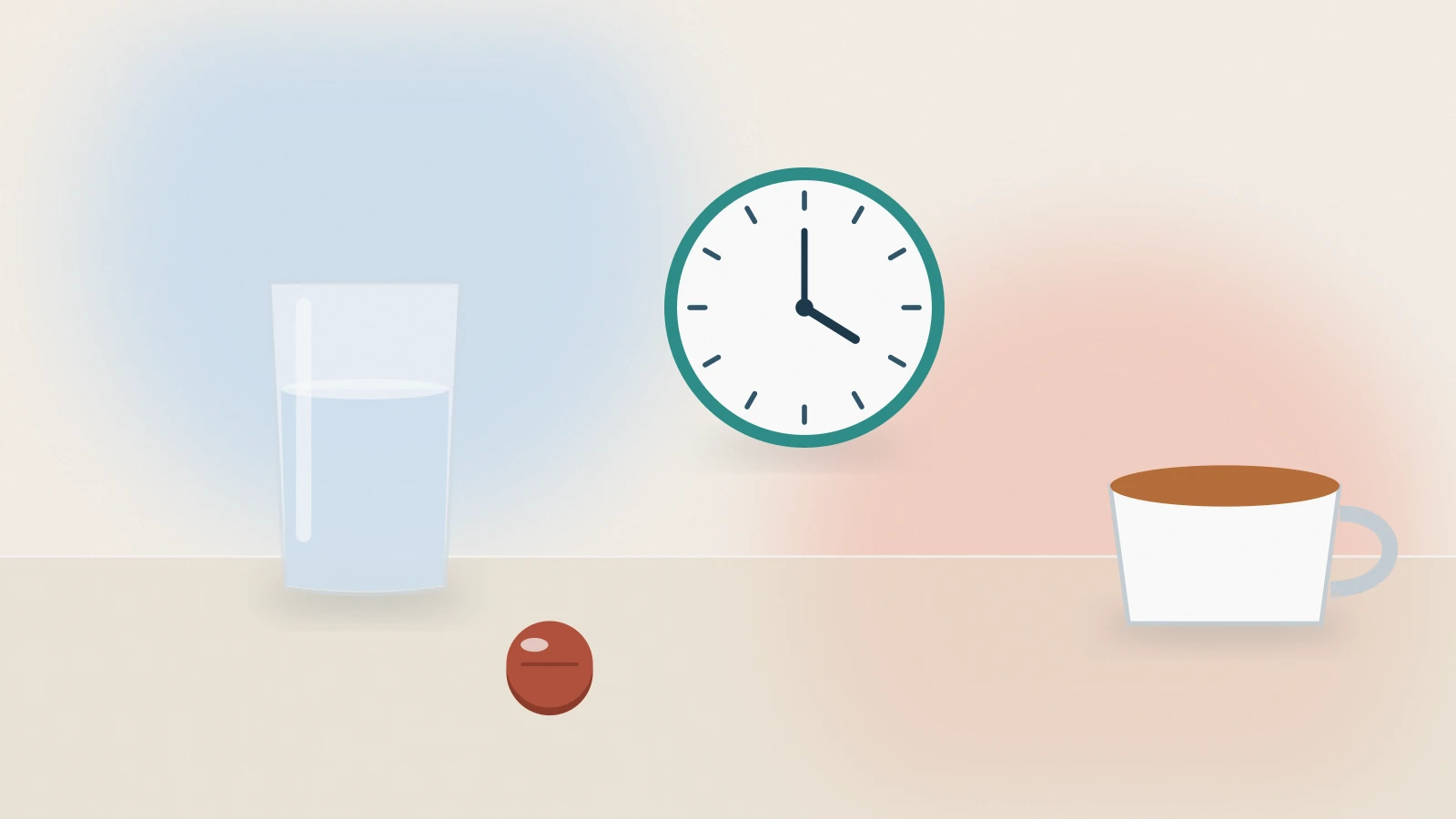
When to Take Iron: Empty Stomach or With Food? How Long Before Tea?
Iron medicine is taken with water on an empty stomach, 1.5–2 hours after a meal. Drink tea at least 1, if possible 2 hours later. If it makes you nauseous, tell your doctor.
Magnesium Deficiency Symptoms and the Normal Mg Level
Magnesium deficiency first causes loss of appetite, nausea and fatigue; if it progresses, cramps, numbness, seizures and heart rhythm disturbances may be seen (NIH ODS 2026).
Does High Potassium (Hyperkalemia) Affect the Heart?
Yes; as potassium rises the heart rhythm can be disturbed, and 6.5 mmol/L and above is an emergency. A mild rise is sometimes a sample error; it is measured again first.